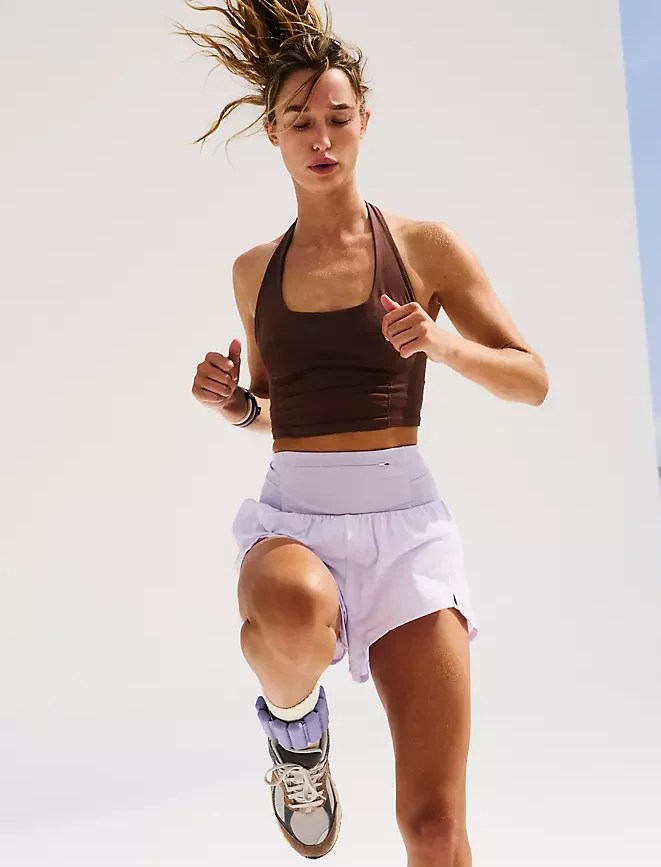
If you’ve ever been into a Free People store “just to look”, you know how dangerous that can be. Every time I walk into the store or visit their website to do some self-care shopping, I somehow convince myself I need another matching workout set or an oversized sweatshirt. Their products fit my active lifestyle, but what really stands out is how well they understand who they’re marketing to.
There’s a lot more happening than cute activewear.
Free People has done an incredible job identifying exactly who its customers are and creating marketing that feels personal instead of pushy. Their primary audience is active women, especially Millennials and Gen Z who enjoy fitness, wellness, and fashion. That’s demographic segmentation in action.
where fitness meets lifestyle
What really caught my attention is their psychographic segmentation. They arent just selling $100 leggings. They’re selling the feeling of waking up early for a Pilates class, grabbing a latte after, going on weekend hikes, traveling, or meeting friends for run club. Their social media doesn’t scream, “Buy this top!”. Instead, it makes you want to be part of that lifestyle.
more than a one time puRCHASE
Free People also uses behavioral segmentation by recognizing that their customers are willing to invest in quality workout clothes that they’ll wear both inside and outside of the gym. Their personalized emails and product recommendations make shopping feel curated instead of random.
from coast to coast
They use geographic segmentation by promoting different collections depending on the season and where customers live. Cozy fleece and layers show up when the temperature drops, while lightweight workout sets become the focus during warmer months.
Five things every brand should remember
- Understand your audience before marketing.
- Sell a lifestyle, not just a product.
- Personalize the shopping experience whenever possible.
- Stay flexible because customer trends are always changing
- Most importantly, be authentic. People can tell when a brand is genuine, and they’re more likely to stay loyal.
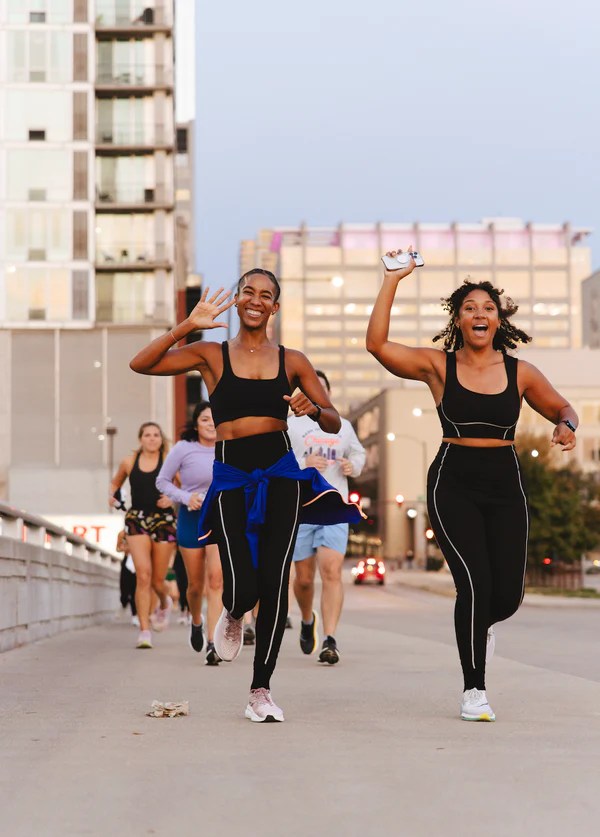
The future looks bright
Let’s talk about the explosion of beginner friendly fitness. Whether its local run clubs or wellness meetups, more people are looking for connection instead of competition.
I think that Free People Movement could lean into this even more by creating campaigns around people who are just starting their fitness journey. Imagine featuring real beginners instead of only experienced athletes and partnering with local instructors or community fitness groups to show that movement is for everyone.
That kind of marketing feels approachable, relatable, and encouraging, which is exactly what many new fitness enthusiasts are looking for.
the bigger picture
Successful brands don’t just understand what people buy, they understand why people buy. Free People Movement doesn’t simply sell activewear. It sells confidence, community, adventure and a lifestyle that inspires people to move their bodies in ways that make them feel good. By combining demographic, psychographic, behavioral, and geographic segmentation, they’ve built a brand that feels personal, authentic, and easy to connect with.
I understand why I keep coming back and it’s not just the clothes.


Leave a comment