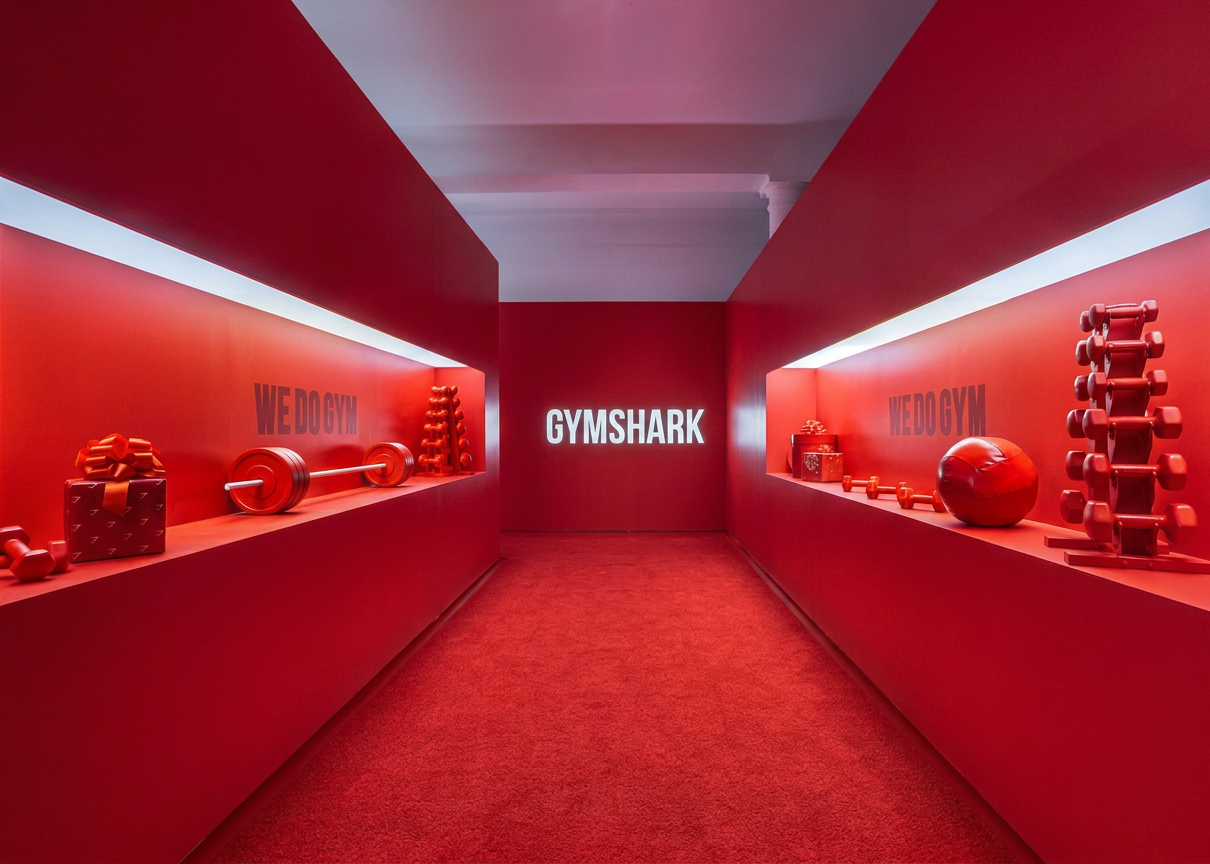
If you’ve spent more than five minutes on fitness TikTok or Instagram, you’ve probably come across Gymshark. Whether it’s a gym clothes haul, a “get ready with me,” or someone absolutely crushing a leg day, Gymshark seems to be everywhere. Honestly, that’s one of the reasons I’ve always found the brand so interesting from a marketing perspective. They didn’t become one of the biggest names in activewear because of Super Bowl commercials or celebrity athletes. They built their brand through real people, social media, and a community that genuinely wanted to be part of something bigger.
But here’s the thing… when your entire brand is built on trust and authenticity, even small ethical issues can have a huge impact.
Built by Influencers… But at What Cost?
One of the biggest reasons Gymshark grew so quickly was its influencer marketing strategy. Instead of hiring traditional celebrities, the brand partnered with fitness creators who shared their workouts, progress, and favorite Gymshark launches with their followers. It made the brand feel personal and relatable, which is exactly what younger consumers were looking for.
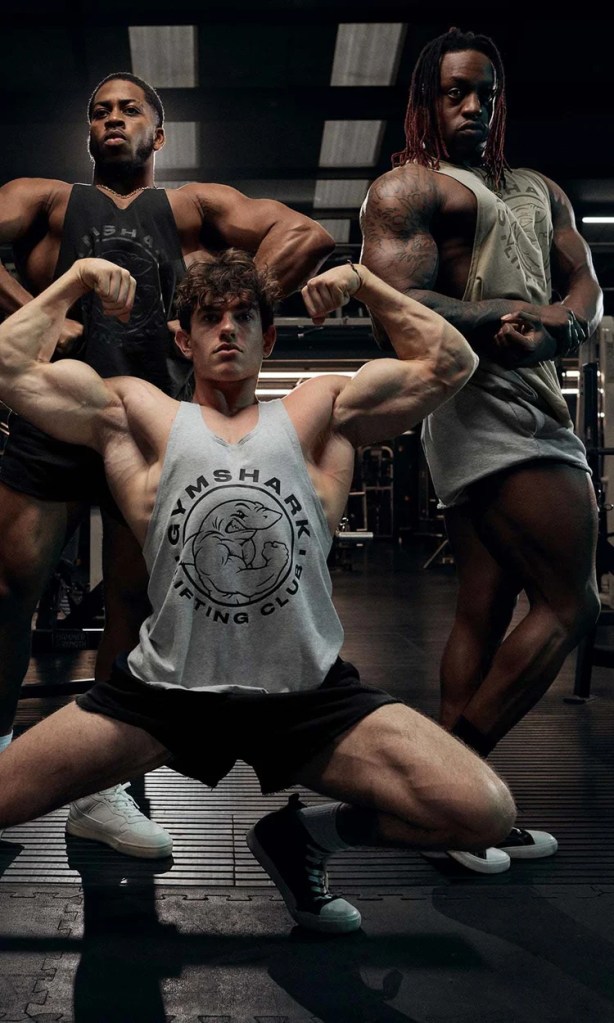
The challenge is that not every partnership has always been completely transparent. Sometimes it wasn’t obvious whether someone genuinely loved a product or was being paid to promote it. Research has found that influencer credibility and transparency have a major impact on consumer trust and purchase intentions (Lou & Yuan, 2019). If people start questioning whether recommendations are authentic, they may also start questioning the brand itself.
the power of belonging
Gymshark’s mission is all about helping people unlock their potential and creating a community where everyone feels like they belong. I actually think they’ve done a really good job of making customers feel like they’re joining a movement instead of just buying leggings or a sports bra.
That said, the brand has also received criticism over the years for promoting unrealistic body standards through some of its athletes and social media content. While Gymshark has become much more inclusive by featuring athletes with different body types, backgrounds, and fitness levels, social media still creates pressure to look a certain way. Since Instagram and TikTok are such a huge part of the brand’s identity, those conversations directly influence how consumers feel about Gymshark.
What Would I Do Differently?
If I were on Gymshark’s marketing team, I’d lean even harder into authenticity. I’d make sponsored partnerships crystal clear, continue expanding representation across different body types and fitness levels, and highlight more everyday Gymshark customers alongside influencers.
I also think behind the scenes content would go a long way. Showing how products are designed, tested, and even listening to customer feedback would make the brand feel even more genuine. Today’s consumers don’t expect brands to be perfect. They just want them to be honest.
My Final Thoughts
Gymshark is still one of my favorite activewear brands to watch because they’ve completely changed what fitness marketing looks like. They proved that building a community can be even more powerful than running traditional ads. At the same time, their story is a reminder that authenticity isn’t just a marketing strategy, it’s something you have to protect.
At the end of the day, people aren’t just buying a matching gym set. They’re buying into the people, the community, and the values behind the brand. Once that trust starts to disappear, it’s a lot harder to earn back than it is to build in the first place.


Leave a comment