FIND YOUR PEOPLE. FIND YOUR MOVEMENT
Who is HappyHour For?
Using market segmentation to build a community, not just a gym.
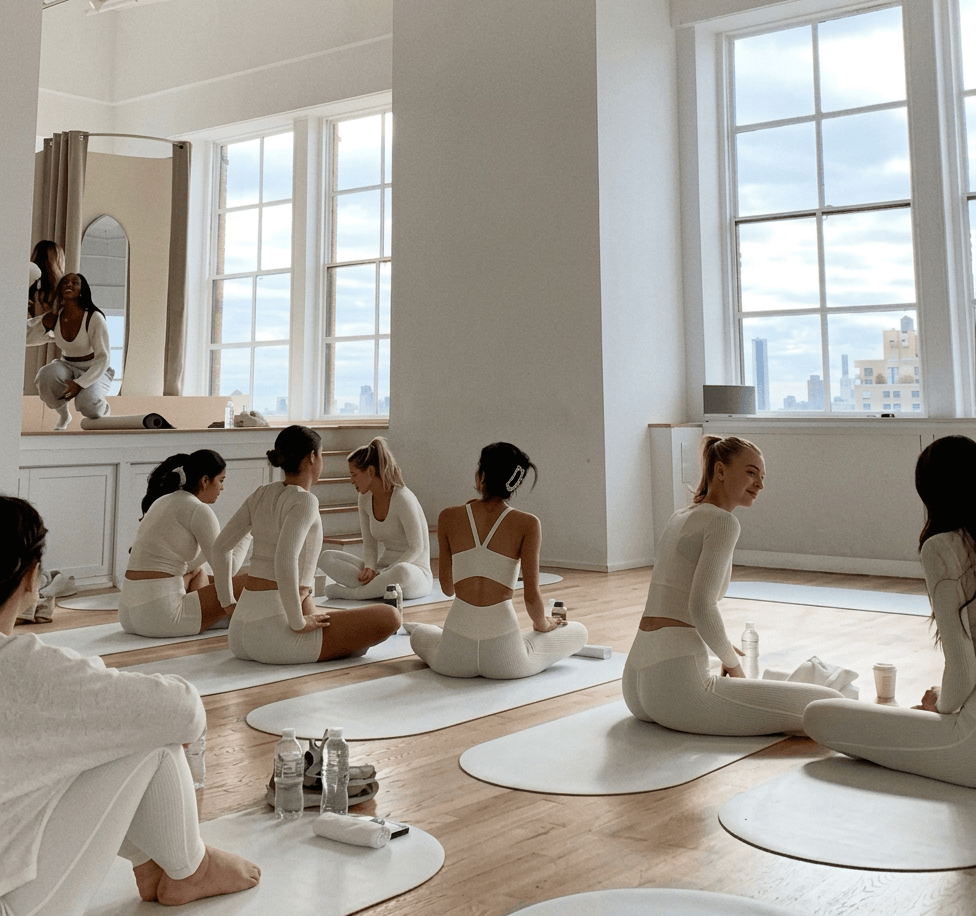
There are already plenty of places to get a workout in. HappyHour is meant to be something different. The idea behind the brand is to create a fitness community where people can take classes, join run clubs, attend events, meet new people, and connect with local businesses. Because community is such a big part of the concept, figuring out exactly who that community is becomes a huge part of marketing strategy.
01/ Finding our people
Happyhour is more than a place to workout
When I think about HappyHour, I don’t picture it as just another fitness studio. The whole idea is to create a community around movement, whether that means taking a Pilates class, meeting up for run club, attending an event, or grabbing coffee with people afterward. Because of that, identifying the right target market would be extremely important.
Market segmentation would allow HappyHour to divide a larger fitness market into smaller groups based on factors such as demographics, location, behaviors, interests, and lifestyles. For HappyHour specifically, I would want to learn more about consumers who value the social side of fitness just as much as the workout itself. Instead of assuming who those people are, market research tools could help HappyHour use actual consumer information to define that audience.

02 / WHAT ARE THEY LOOKING FOR?
Using Google Trends to Understand Behavior
One tool I would use to research HappyHour’s target market is Google Trends. Google Trends allows marketers to explore what people are searching for and examine search interest over time.
For HappyHour, I could compare searches related to things the brand would offer, such as Pilates, run clubs, group fitness, and wellness events. I could also narrow the data geographically to better understand where interest exists. This would be especially helpful for behavioral and geographic segmentation because it could provide insight into what potential customers are interested in and where that interest is coming from.
For example, if research showed growing local search interest around run clubs or Pilates, HappyHour could use that information when deciding which classes, events, partnerships, and promotions to prioritize. It could also help determine what type of content would be most relevant to the people the brand wants to reach.
Search interest can help HappyHour understand the fitness and wellness topics people are actively looking for
What is our community searching for? Google Trends can help HappyHour identify interests and behaviors within its potential market.

03 / WHO ARE WE TALKING TO?
Using Meta to Build a Clearer Audience
A second useful tool would be Meta’s advertising tools. Audience information can help marketers think about factors such as location, demographics, and interests when defining who they want their advertising to reach. Meta also uses estimated audience size based on targeting and placement criteria selected by advertisers.
This would be useful for HappyHour because the brand is built around a particular lifestyle, not just exercise. Demographic segmentation could help identify characteristics such as age and location, while psychographic segmentation could go deeper into interests, values, and lifestyle.
For example, HappyHour may discover an audience that is interested in Pilates, running, wellness, local businesses, and social experiences. That would give the brand a much clearer direction for its social media content, events, partnerships, and overall messaging.
FIND YOUR PEOPLE.
HappyHour’s success would depend on more than getting people through the door for one workout. The goal would be to build a community that people actually want to be part of. Using tools such as Google Trends and Meta’s audience tools could help turn my idea of the HappyHour customer into a target market supported by research. From there, that information could influence the classes HappyHour offers, the events it hosts, the businesses it partners with, and how the brand communicates online.



Leave a comment